
A Responsible Buyer’s Checklist Before Choosing a Firearm: Questions to Answer Before You Begin
A firearm purchase is easier to evaluate once the practical decisions have been made. Before comparing finishes, features or online reviews, make sure you have a lawful purpose, a secure storage plan, enough physical ability to operate the firearm, and the time and money required for training and maintenance. There is no single firearm that […]
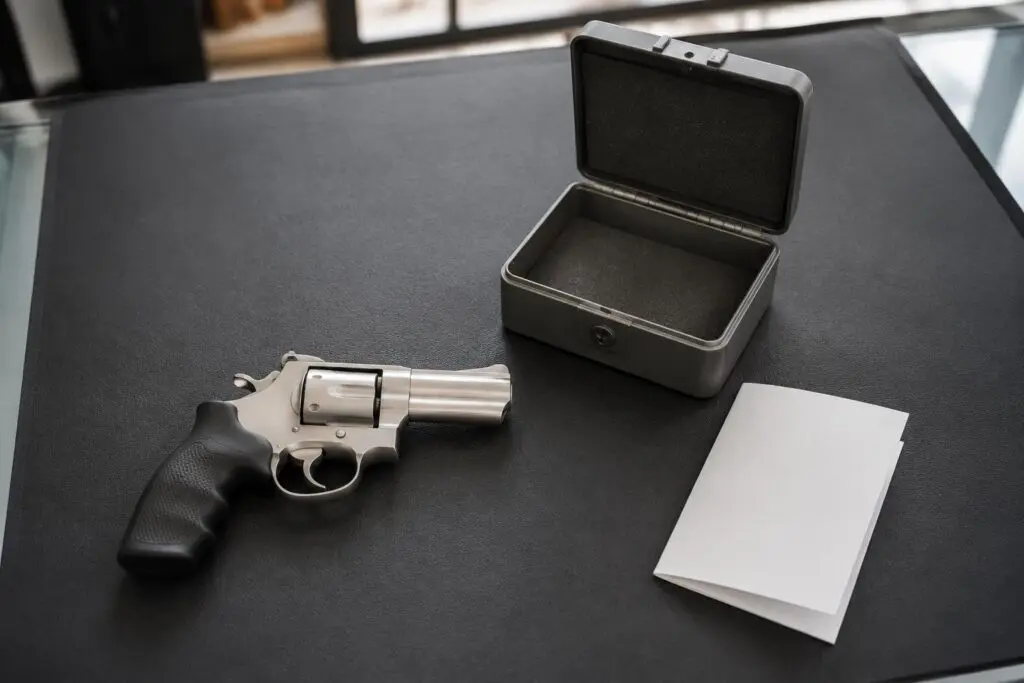
A firearm purchase is easier to evaluate once the practical decisions have been made. Before comparing finishes, features or online reviews, make sure you have a lawful purpose, a secure storage plan, enough physical ability to operate the firearm, and the time and money required for training and maintenance.
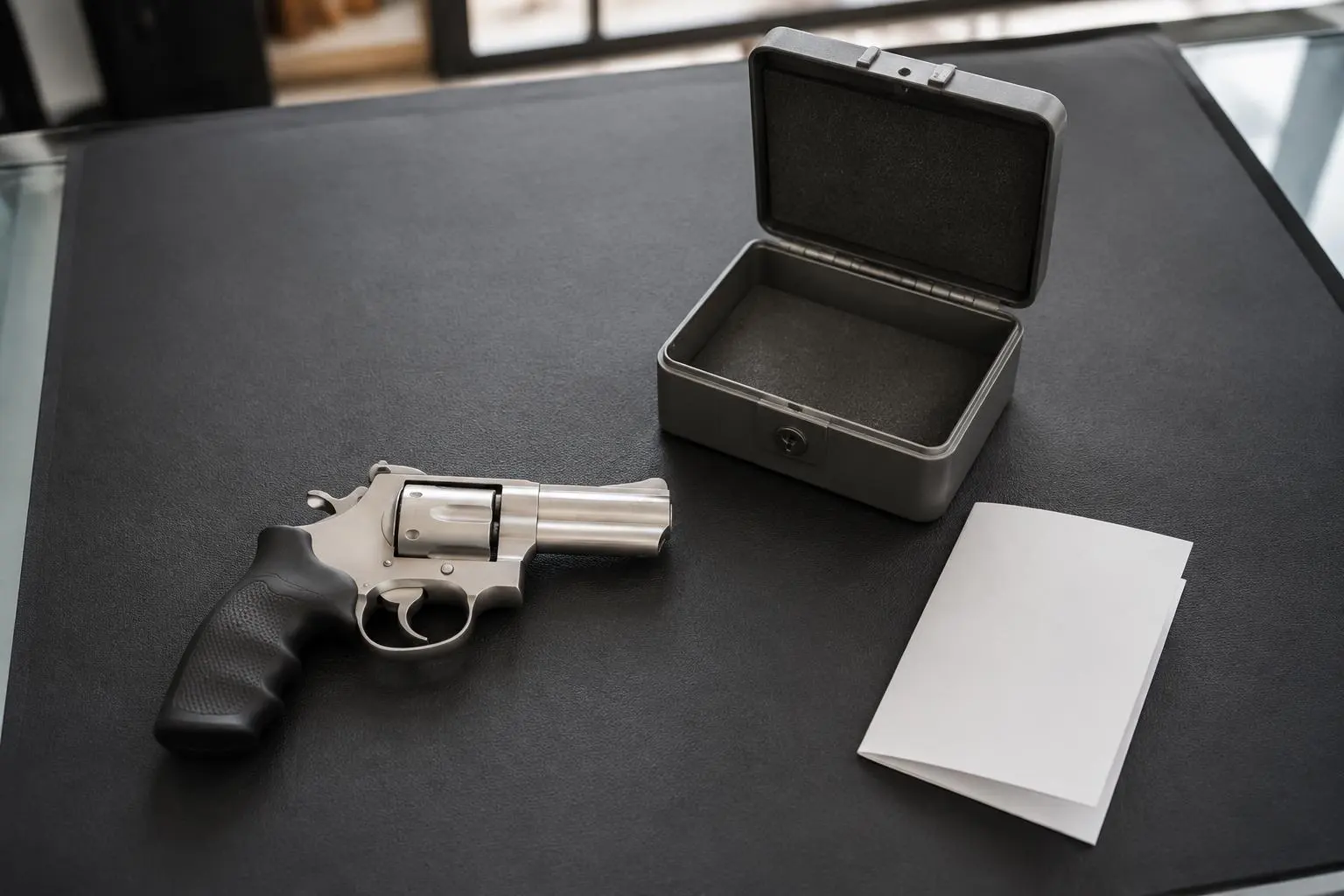
There is no single firearm that is right for everyone. A model that works well for one person or activity may be an awkward, unsuitable choice for another. Popularity, power and a long list of features cannot compensate for poor control, neglected maintenance or careless storage. The sensible starting point is not "Which model is best?" but "Can I use and manage this responsibly in my circumstances?"
Define the job before looking at models
Write down the main reason for the purchase in one plain sentence: "I need this firearm primarily for…" The answer might be supervised range practice, hunting or secured home storage. "I want something versatile" is too vague to guide a responsible decision. It does not tell you what size, controls, maintenance demands or transport arrangements will be practical.
Purpose influences nearly every later choice. The firearm that feels manageable during one activity may be inconvenient or inappropriate during another. Your expected use also affects how often you will train, what equipment you need and how the firearm must be transported and stored.
Advice from a friend, a popular internet recommendation or a brief demonstration can help you identify possibilities, but it cannot replace your own evaluation. If you cannot explain the primary purpose clearly, pause the buying process. More research and qualified instruction are more useful at this stage than another round of browsing.
Treat physical fit as a safety question
Meeting the legal requirements to own a firearm does not mean every firearm will suit your vision, strength, mobility or hand size. At a reputable dealer or supervised range, ask whether you can handle an unloaded example with qualified staff present. A few careful minutes can expose difficulties that photographs and specifications conceal.
Notice whether you can reach the controls without repeatedly shifting your grip. Check whether you can see the sights or another aiming system clearly. Ask yourself whether you can operate the action as instructed without excessive force, strained movement or uncertainty. If the controls feel confusing while the firearm is unloaded, that is useful information-not a challenge to overcome through solo experimentation.
Fit also matters after the shooting session. Loading, unloading, cleaning and securing the firearm need to be manageable, not tasks you avoid because they are physically difficult or unclear. Smaller hands, limited strength, eyesight concerns and reduced mobility should be considered directly. A qualified instructor may be able to suggest ways to evaluate those issues, but do not ignore them to satisfy someone else's preference.
Have storage ready before the purchase
The storage plan should exist before the firearm enters your home. Decide where the firearm and ammunition will be kept, what locking method you will use, and who-if anyone-may have access to a key or code. The arrangement must prevent unauthorized access while preserving lawful access for the responsible owner when needed.
Choose a system you will use consistently rather than one that merely sounds sufficient in theory. The storage location should protect the firearm from damage and unsuitable conditions. Keep access credentials private, and review the plan whenever household members, visitors or other circumstances change.
Include secure storage in the original budget. It is not an optional add-on to purchase later. If the firearm would spend time unlocked or outside your direct control because the storage arrangement is not ready, delay the purchase. A new owner's enthusiasm does not make an unsecured setup safe or acceptable.
Calculate the real cost of ownership
The sale price is only the beginning. Depending on your situation, the full budget may need to cover professional instruction, a lockable container, eye and ear protection, a suitable case, cleaning supplies, lawful transportation, range fees and practice materials. Leaving these expenses out can turn a seemingly affordable purchase into an impractical one.
Maintenance deserves the same attention as training. Read the manufacturer's manual before cleaning, lubricating or disassembling the firearm. Use appropriate tools and supplies, and do not modify safety-related components. The best maintenance routine is one you understand well enough to perform correctly and regularly.
Do not fire a firearm if you find corrosion, damage, loose parts, unusual control behavior or another condition you cannot explain. A suspected mechanical problem is a reason to stop and consult a qualified gunsmith or instructor. Firing it simply to see whether anything goes wrong is not a responsible diagnostic method.
Verify the law and plan the first lesson
Firearm rules can differ between countries, states, provinces, territories, counties and municipalities. Depending on where you live, the requirements may cover eligibility, permits, waiting periods, background checks, transfers, registration, transportation, storage, ammunition and the locations where firearms may be carried or discharged.
Check current information through the appropriate official government agency before ordering, accepting a transfer or arranging a private sale. A licensed dealer may explain the transaction process, but you should still confirm that the seller is authorized to complete the transfer and that your identification and other documents are current.
The same caution applies to used firearms and private transactions. A purchase or transfer that is lawful in one jurisdiction is not automatically lawful to possess, transport or use in another. Completing paperwork and paying the seller are only parts of meeting your legal responsibilities.
Arrange supervised instruction before the first trip to a range. A sound introductory lesson should cover safe handling, loading and unloading procedures, range commands, storage during breaks and what to do if the firearm does not function as expected. Plan that lesson before bringing the firearm home, rather than treating training as something to arrange later.
Follow current law and the range's policy when transporting the firearm. Keep it secured and unloaded as required, avoid unnecessary handling or stops, and follow staff directions once you arrive. If a rule is unclear, ask before travelling instead of relying on assumptions.
Before committing to the purchase, answer these questions:
– Can I state the primary lawful purpose in one sentence?
– Can I handle the unloaded firearm safely and operate its controls as instructed?
– Do I have locked storage and a dependable plan for access?
– Have I budgeted for instruction, protective equipment, maintenance and practice?
A "no" is not necessarily a final answer. It identifies the next problem to solve. Addressing that issue before the firearm is in your home is safer than improvising afterward. A responsible choice is one you can control, maintain properly, store securely and use within the law.