
The Range-Bag Battery Check That Prevents a Bad First Session
Ensuring a Smooth Range Session, with a Pre-Trip Checklist A problem with a battery might seem like an issue. However finding out about it after the range bag is packed and the firearm is not loaded can cause problems with the shooting plans. The same is true for a missing chamber indicator, a lubricant bottle […]
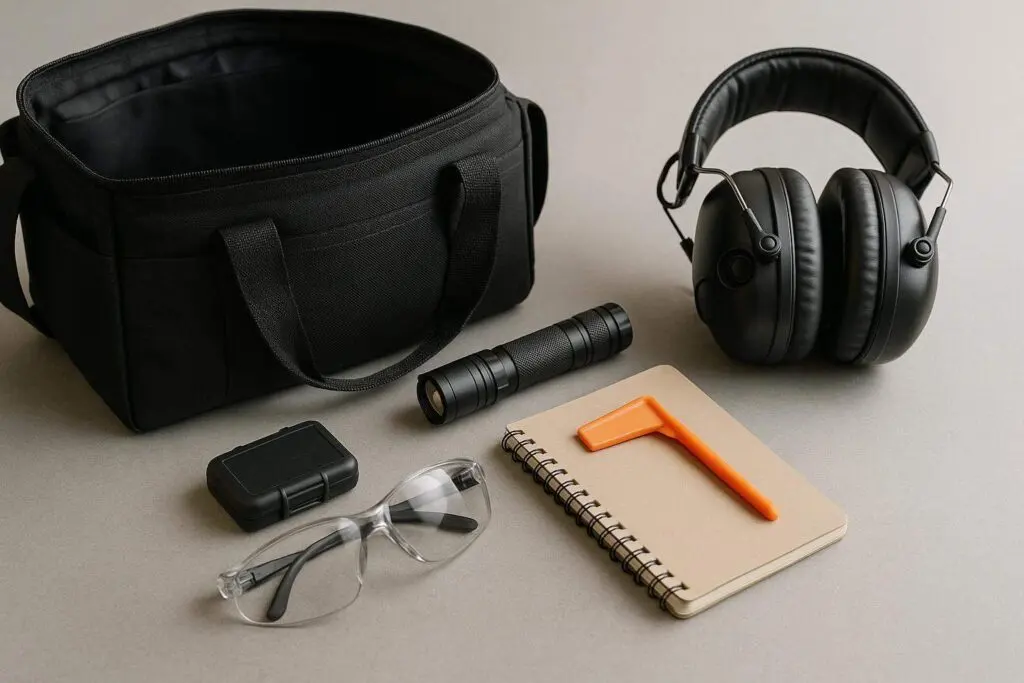
Ensuring a Smooth Range Session, with a Pre-Trip Checklist
A problem with a battery might seem like an issue. However finding out about it after the range bag is packed and the firearm is not loaded can cause problems with the shooting plans. The same is true for a missing chamber indicator, a lubricant bottle or an old maintenance log. A simple check before leaving can help avoid these issues and help decide what items should go what can stay and what needs to be checked before the time at the range.
Document Last Session Details
of putting more gear into a bigger bag start by looking back at the last time at the range. Taking notes at the end of that time can give information for the trip.
Write down details like the date the firearm used, any problems or strange feelings cleaning done and the state of parts. Specific words matter- of saying, "the gear felt wrong " say something like, "optic was dim." This kind of detail will be more helpful when getting ready for the time.
Keep in mind that while records can remind you of events they are not a substitute for a check. There's no need for a system-just use a notebook or a digital note app. The continuity of the notes means the time you prepare you start with information instead of relying on memory.
Pre-Check Accessories Before Departure
Before you put things in the bag spend some time testing any battery-powered items like sights and lights. Do these checks at home making sure to follow handling rules-keep the firearm unloaded and point it in a direction following the makers instructions. Check if the device turns on if the controls work and if the brightness is right for the conditions. Don't wait until you are at the range to find out there is a problem with your gear.
When it comes to batteries use a case to protect them of letting them move around with other items in the bag. Be careful to check that the extra batteries match what the devices need of just trusting a label from a purchase.
Losing power during the session might not make it unsafe. It could change your plans. If an accessory is needed for your planned activities it is better to delay that part of the session than try to make do with something
Prioritize Safety Gear
Safety items might seem unimportant because they are cheap and familiar. They should not be ignored. Things like chamber indicators, eye and ear protection, a flashlight, basic first-aid supplies and a way to keep the firearm safe while moving should be put in the bag on purpose.
Always keep ammunition from the firearm following laws and range rules. When it is right make sure the action is open during moving and pay attention to rules about chamber indicators and handling. Remember that rules can change so always check with the people or place before you go.
If any part of the safety gear is missing do not use something instead. If a certain type of chamber indicator or bag is needed make sure to get the one or change your plans.
Customize Your Range Bag for Each Session
Often range bags become places for all kinds of things which can make it hard to see what is missing. Instead focus on bringing what you need for the day. Bring the firearm the ammo, the needed protection, any needed papers, targets (if allowed) a notebook and tools that are needed for the gear.
Get rid of anything not needed. Tools like multi-tools, cleaning rods or adjustment tools can be useful. Each should have a purpose. Avoid trying to fix or change things on the spot if you are not sure what the problem is. If something feels wrong unload the firearm. Leave it for checking by reading the manual or asking a professional.
You will see that a lighter bag makes checking before the trip easier and reduces mess. Yes a bigger bag might work for trips or shared gear. Only as long as you can clearly see and store everything safely.
One Checklist to Rule Them All
A check before leaving can be very helpful. It works best when done before leaving the house-not when you arrive at the range. Make sure it is specific enough to catch issues you might forget. Your list could include the following:
– Make sure the firearm is in shape and ready to move.
– Check that safety items, like chamber indicators or cases are in the bag.
– Make sure batteries are working and extra ones are in a place.
– Make sure eye and ear protection are there and fit.
– Keep ammo separate and check that it matches the firearm and the rules.
– Look over. Update maintenance notes from what happened.
– Check the rules for the range and moving things.
– Plan how to keep the firearm and gear safe when going home.
Make sure the list is not a habit. If anything on the list is unclear stop and fix it before leaving. Remember, just being packed is not the same as being checked.
Closing the Loop After the Session
Preparation goes on even after you leave the range; it ends with how you finish the session. Before you leave make sure the firearm is not loaded and is safe. Write down any thoughts that need attention while they are fresh like a sound, a part that felt different an item that ran out of power or a task that can't wait.
When home store the firearm and ammo according to the safety plan. Always make sure only the right people can get to it in homes with kids or others not allowed. Laws and rules can be different so check the ones of using old ways.
This process helps prepare for the time. You start with a state, a checked bag and fewer things to worry about. This way of handling firearms is much better, than bringing one thing.